In August 2026, the least expensive single-family house sold in Noe Valley also had the biggest gap between its asking price and its sale price. The 1904 cottage in the 300 block of Day Street, between Sanchez and Noe, listed at $898,000. It drew 30 offers and sold for $2,635,000, which was $1,737,000 over the ask and close to three times the list price, according to the Noe Valley Voice. The same month, a fully rebuilt house on the same Sanchez-to-Noe stretch of Clipper Street sold for 28.1% over its asking price.
The house that needed the most work went the furthest over asking. In Noe Valley right now, a list price is a marketing number. The less it is tied to a finished house, the further the final price can move from it.
The house nobody was supposed to live in
The Day Street property wasn't a quiet bargain that buyers overlooked. It was 1,450 square feet, with three bedrooms, two baths and a garage. It had been vacant for two years. The Voice described paint peeling from the façade, sagging interior stairs and holes in the roof big enough to let the sun in. The listing agent told the Noe Valley Voice that "it needed to be torn down" and that the sale needed an all-cash buyer, "a developer with deep pockets."
The marketing called it "a rare opportunity to restore, renovate, and create something truly special." The 30 offers suggest bidders saw that opportunity as worth far more than $898,000. A few families did look. The listing agent told the Voice that some were willing to try a renovation, but that it "was not for the faint of heart."
A teardown's price comes from the finished house nearby
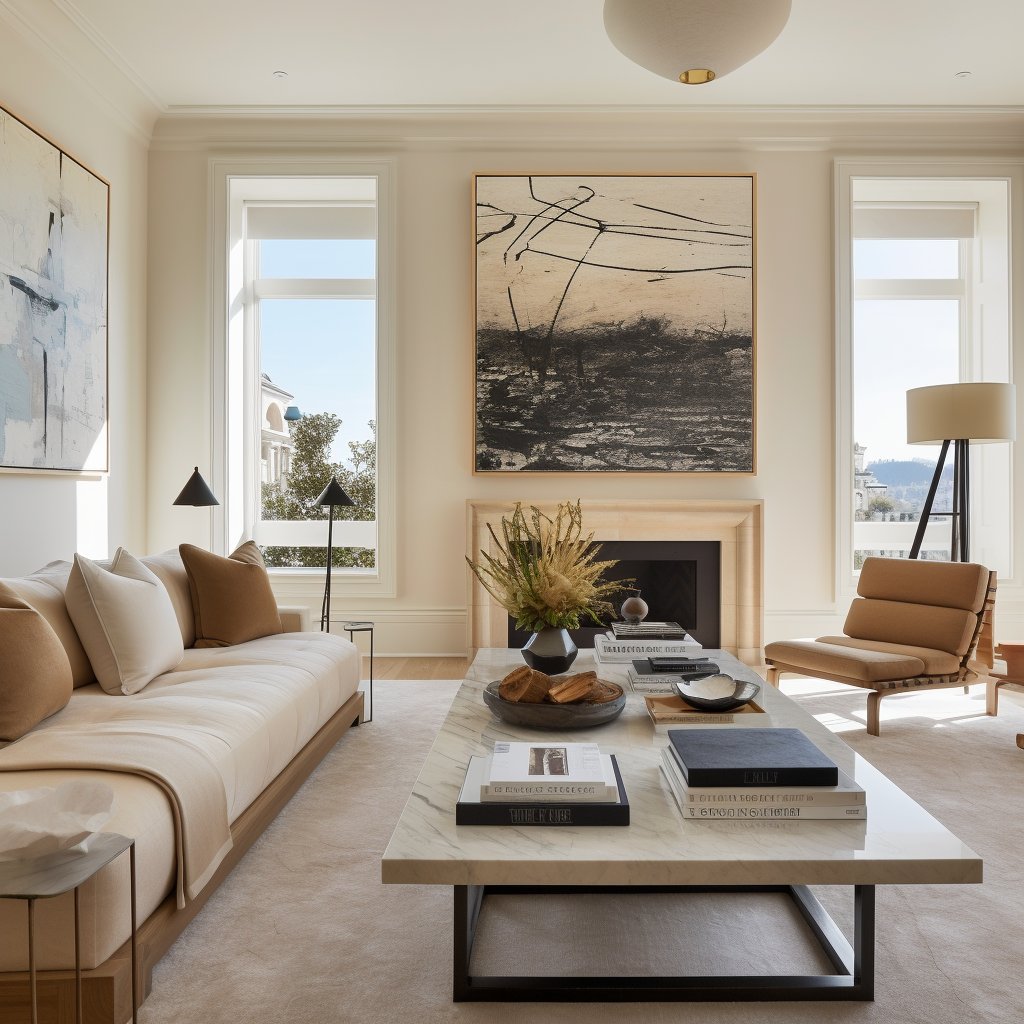
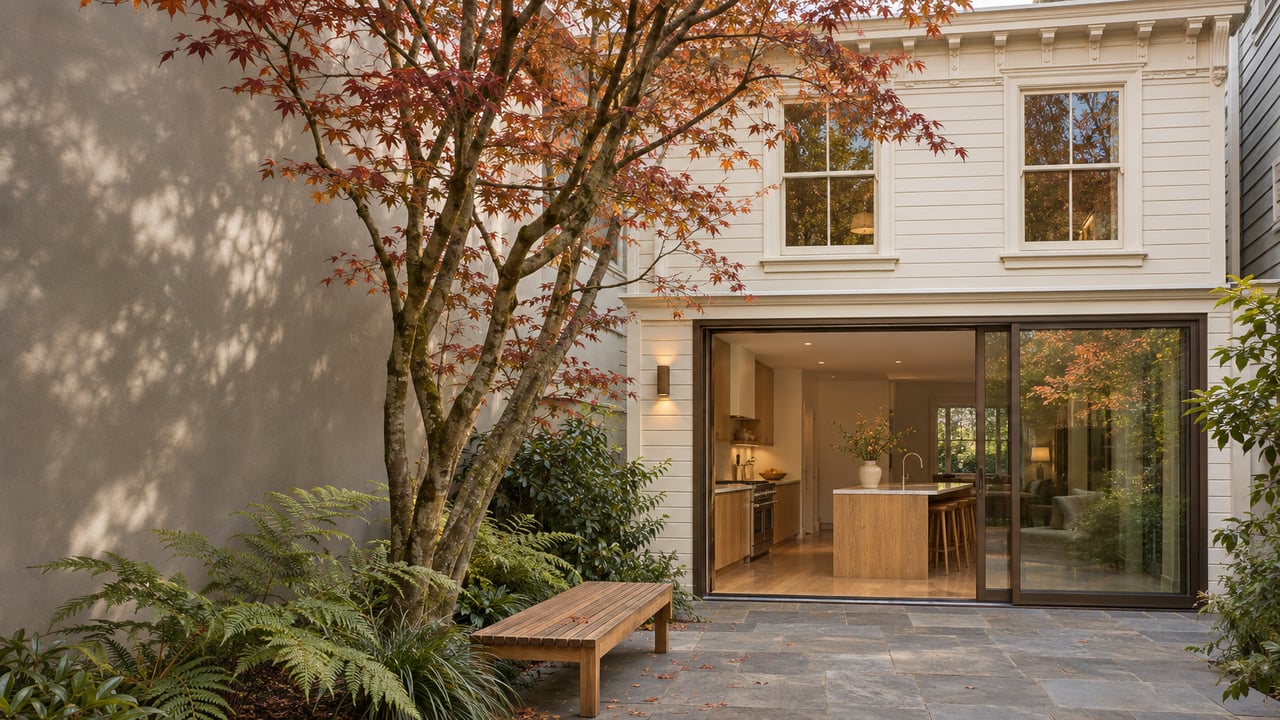
The other headline sale explains why the bidding went so high. The house in the 200 block of Clipper Street kept its modest Edwardian façade. Behind it, the interior was gutted to the studs, rebuilt and expanded to four bedrooms and four baths across 3,100 square feet on three stories. It has a chef's kitchen with a marble waterfall island, a floating glass staircase, floor-to-ceiling glass walls, several decks, a media room and one-car parking. It sold for $6.4 million against a $4,995,000 ask.
A developer bidding on Day Street works backward from a sale like that. Start with what a finished Noe Valley house can sell for. Subtract construction, permits, carrying costs during the work, and the profit the risk requires. What remains is the most that buyer can pay for the lot and the old house on it. The $898,000 list price doesn't enter that calculation. The $6.4 million Clipper Street sale does.
That is why the list price lost its meaning on Day Street. A move-in-ready house has comparable sales that keep bids within some range of each other. A teardown has only one real comparable, the house it could become, and every bidder estimates that outcome and its costs a little differently. The $3.765 million gap between the Day Street and Clipper Street sale prices is roughly what the winning bidder expects to spend, wait out and earn on the rebuild. The $898,000 ask told the market almost nothing about any of that.
Noe Valley has seen this cycle before. The five-bedroom house at 471 Hoffman Avenue was fully rebuilt by a developer before it listed in 2015 at $5.7 million. It sold for $6.7 million less than a month later, The Real Deal reported. In September 2026 it sold again for $9.1 million, more than $2 million over an asking price just under $7 million. The Real Deal called it the priciest Noe Valley sale in the prior 12 months of MLS data. Every Noe Valley rebuild that sells becomes the comparable that sets what the next teardown can fetch.
Finished houses went over asking too, by less
The finished houses that sold around the Day Street cottage show the same pattern at a smaller scale. Each one went well over its ask, and none came close to Day Street's ratio.
- 200 block of Clipper Street, August 2026: $6.4 million on a $4,995,000 ask, about 128% of list.
- 471 Hoffman Avenue, September 2026: $9.1 million on an ask just under $7 million, roughly 130% of list. A single offer arrived within minutes of the listing going live and was accepted seven hours later, according to The Real Deal.
- 1119 Castro Street, September 2026: $7.7 million, or $2,240 per square foot, on a $5.5 million ask, about 140% of list. It drew five all-cash offers. The listing side had expected a price in the low to mid $6 million range, The Real Deal reported.
- 300 block of Day Street, August 2026: $2,635,000 on an $898,000 ask, about 293% of list.
The Hoffman sale shows that a big over-ask result doesn't require a crowded offer date. One motivated buyer facing a low anchor can close the gap alone. The Castro sale shows that even the people who priced the house misjudged where it would land. When the seller's side can't place the number, a buyer working from the asking price is working from an even weaker estimate.
Six sales, one month, and a year of change
The Noe Valley Voice publishes a monthly sales table using data from Corcoran Icon Properties. The latest one, in the October 2026 issue, covers August sales.
| Single-family sales | Homes sold | Average price | Avg. days on market | Sale price as % of list |
|---|---|---|---|---|
| August 2026 | 6 | $4,420,834 | 5 | 155% |
| July 2026 | 18 | $3,891,000 | 18 | 125% |
| August 2025 | 4 | $3,338,750 | 20 | 98% |
The Voice cautioned that with only six homes in the August sample, the 55% average premium over asking and the $4.4 million average price should be read carefully, since the Day Street sale pulled the premium up and the Clipper Street sale lifted the average. July is the steadier month to look at. Eighteen houses sold at an average of 125% of list. That still means a typical Noe Valley house went for about a quarter more than its sign said, one year after August 2025's average of 98%, when the typical sale came in just under asking.
Condominiums and TICs follow the same direction at a lower level. In August 2026, four condo or TIC sales averaged 114% of list. The month's most expensive condominium, a penthouse in the 4100 block of Cesar Chavez Street with a private elevator, sold for $2,480,000, slightly below its $2,495,000 ask. Finished units in a 2008 building have clear comparables, and that sale landed almost exactly on its price.
Citywide, the sign has become a starting bid
What happened in Noe Valley is an extreme version of a citywide pattern. The San Francisco Chronicle reported that nearly 92% of the city's single-family homes sold above asking in September 2026, the highest share on record. The average single-family sale in September went for nearly 30% over list, more than double the 13% margin in September 2025. Supply is part of the reason. Only 240 single-family homes were on the market citywide at the end of September, the lowest September total since at least 2020.
Sellers are also pricing low on purpose. A Compass agent told the Chronicle that sellers this year have listed homes about a third below market value to set up what he called "auction-style" sales. Another Compass agent described the problem with comparable sales in the same story:
"We are pricing properties on aged data. And aged data in this market is three months."
The California Association of Realtors' September 2026 release puts the San Francisco County median existing single-family price at $2,054,000, up 17.4% year over year, with a 1.6-month unsold inventory index and a median of 21 days on market. The Chronicle's figure of nearly $2.6 million covers sales through October 20 and comes from Compass data, so the two medians measure different periods and shouldn't be compared directly. Both point the same way. Asking prices in San Francisco now open the bidding, and Noe Valley's August table shows how far past them the bidding can go.
Reading a Noe Valley list price before you write an offer
For a buyer comparing neighborhoods, the practical takeaway from Day Street is to price the house, not the sign. Here is how that works in practice when we prepare an offer.
- Start from sale-to-list ratios, not list prices. The neighborhood ran 125% in July and 155% in a thin August. A Noe Valley list price is closer to a floor than a target.
- Match the ratio to the condition. Finished houses in August and September closed at roughly 128% to 140% of list. A house that needs to be rebuilt can land far outside that range, because developer buyers price it from the finished result.
- Find the rebuilt comparable. For any house that needs major work, the most useful number is a recent sale of a rebuilt house nearby, such as Clipper Street at $6.4 million. That number shows what the strongest competing bidder is likely working from.
- Date every comparable. By the Chronicle's sources' own standard, a sale from more than about three months ago may already lag the market.
- Expect to compete with cash on fixers. The Day Street listing agent said that sale required an all-cash buyer, and all five offers on 1119 Castro were cash.
Questions that come up often
Is every Noe Valley fixer going to sell for three times its asking price? No. Day Street was one sale, and its list price was unusually low compared with what the lot and finished houses nearby could support. The lesson is about the mechanism, not the multiple.
Does a low list price mean the seller wants a bidding war? Often, yes. The Chronicle describes "price to entice" as a long-standing Bay Area practice, and agents in that story said sellers have priced even lower this year.
What does this mean for a family selling an inherited house that needs work? The Day Street result shows that the buyers bidding most aggressively on a house in rough condition may be pricing it from what it could become. Choosing between selling as-is and making improvements before listing starts with a clear view of that rebuild value.
If you are weighing a Noe Valley offer and need to know what a house will actually cost, or you are an executor deciding how to present a property that needs work, The Freeman Group can walk you through the recent rebuilt comparables before you set or bid a number. Let me guide you home.