Selling in Pacific Heights is rarely about doing more. It is about doing the right things well. In a neighborhood known for architectural distinction, strong presentation can shape how buyers respond from the first photo to the first showing. If you are getting ready to sell, this guide will help you focus on the prep steps that matter most, avoid over-improving, and launch with a plan that fits both your home and the market. Let’s dive in.
Why prep matters in Pacific Heights
Pacific Heights stands out for its historic character and architectural quality. According to San Francisco Planning’s preservation guidance, the broader Pacific Heights and Cow Hollow area is recognized for a high level of architectural distinction, and preserving neighborhood character matters. That is why pre-sale updates here usually work best when they feel polished, restrained, and in step with the home’s original style.
Presentation also matters because buyers are responding quickly. Redfin’s Pacific Heights market snapshot reports a median sale price of $1.765M in February 2026, compared with $1.5M citywide, with homes selling in an average of 17 days. The same report says 54.1% of homes sold above list price and the average sale-to-list ratio was 104.7%, which points to a market where details can influence both speed and buyer competition.
Start with condition and disclosures
Before you think about paint colors or staging, start with the home’s condition. In Pacific Heights, many properties are older, and that means your prep plan should be practical, not cosmetic-only. The goal is to understand what a buyer is likely to notice, question, or flag during escrow.
The California Department of Real Estate explains that the Real Estate Transfer Disclosure Statement is a disclosure of condition, not a warranty, and not a substitute for inspections. The same guidance also notes that listing and selling brokers must conduct a reasonably competent and diligent visual inspection of accessible areas and disclose material facts that may not be obvious.
Consider a pre-list inspection
A pre-list inspection is often worth considering, especially for an older Pacific Heights home. It can help you identify issues before pricing, marketing, and buyer tours begin. It also gives you more time to decide whether to repair, disclose, or adjust your strategy.
This does not replace buyer due diligence. Instead, it can help you move into the listing period with fewer surprises and a clearer understanding of your home’s condition.
Know what may require extra attention
Depending on the property, a few items may need special review:
- Older systems or deferred maintenance
- Visible wear in high-traffic areas
- Pest-related concerns
- Exterior issues that affect first impressions
- Pre-1978 lead-based paint disclosure requirements for applicable homes
The DRE also notes that a structural pest control inspection is not legally required before transfer, but if a contract or lender requires one, the pest report and certification must be delivered before title transfers. For many sellers, the smart move is to review these issues early rather than wait for them to surface during negotiations.
Fix what buyers will feel first
You do not need to fix everything. In most cases, the most effective plan is to address visible, buyer-facing issues first, then decide whether deeper work is worth the time and cost.
That approach lines up with the strongest prep guidance in the National Association of Realtors 2025 Profile of Home Staging. Sellers’ agents most often recommended decluttering, whole-home cleaning, and curb appeal improvements. Those are not flashy projects, but they directly shape how buyers experience the home.
Focus on high-impact updates
For many Pacific Heights sellers, the best return comes from a short list of well-executed improvements:
- Decluttering throughout the home
- Deep cleaning every room and surface
- Fresh, neutral paint where needed
- Repairing obvious cosmetic flaws
- Refinishing or improving worn flooring
- Updating lighting if fixtures distract from the space
- Improving entry presentation and exterior details
In a neighborhood with historic homes and distinctive interiors, overbuilding can work against you. Buyers are often responding to scale, light, original detail, and overall condition. A calm, tailored presentation usually performs better than a trend-heavy renovation that pulls attention away from the architecture.
Stage for how buyers shop today
Buyers usually see your home online before they ever step inside. That makes staging and visuals a key part of the sale, not an optional extra.
The NAR report found that 83% of buyers’ agents said staging made it easier for buyers to visualize a property as a future home. It also found that the living room, primary bedroom, and kitchen were the most important rooms to stage, while photos, physical staging, video, and virtual tours all mattered to buyers.
Stage the rooms that carry the listing
If you want to be selective with time and budget, start here:
- Living room
- Primary bedroom
- Kitchen
- Dining area or office nook, if relevant
For a Pacific Heights condo, emphasis often falls on the main living area, primary bedroom, kitchen, and strong visual media. For a single-family home, exterior presentation and curb appeal deserve extra focus too.
Keep the look refined
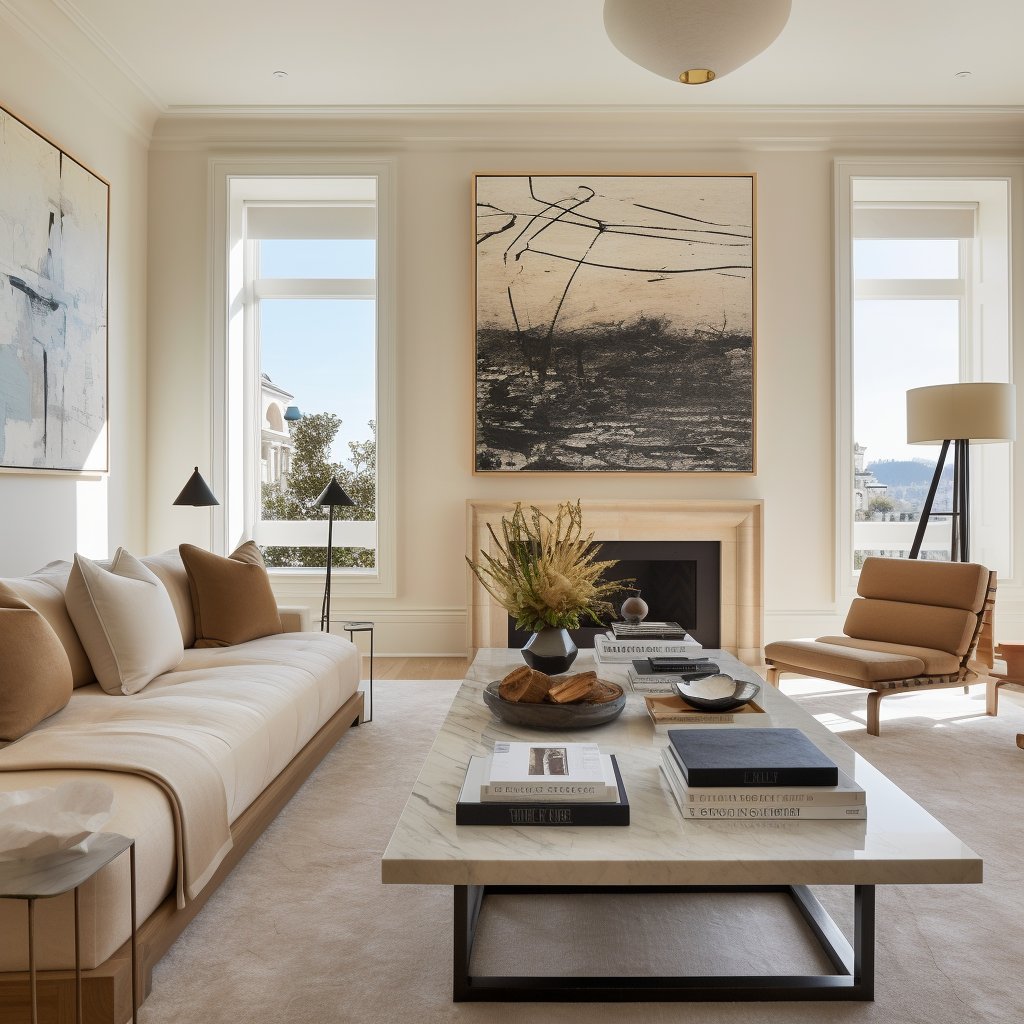
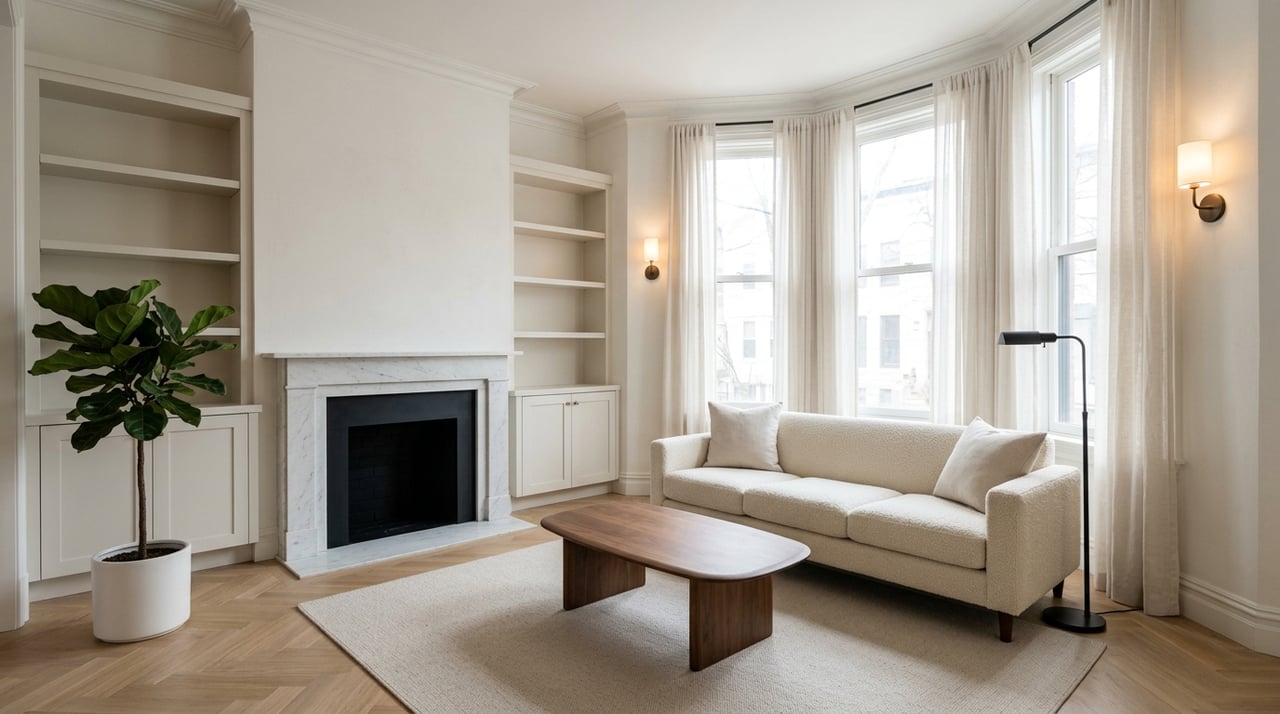
In Pacific Heights, staging should support the home, not compete with it. Neutral furnishings, clear sightlines, and quality textures usually help buyers focus on the room proportions and architectural features. If the home has original moldings, fireplaces, millwork, or large windows, the staging plan should highlight those elements instead of crowding them.
Photography and video are part of prep
Once the home is cleaned, repaired, and staged, the next step is to capture it well. That matters because most buyers start with photos, then decide whether to schedule a showing.
According to the NAR report, photos were important to 73% of buyers’ agents’ clients, followed by traditional staging, video, and virtual tours. In a market where buyers may move quickly, strong visuals can help generate early momentum and support a more effective launch week.
What strong visuals should do
Your listing media should help buyers quickly understand:
- The layout and flow
- Natural light and room scale
- Architectural details
- Updated finishes and condition
- Outdoor spaces, if any
- How the home lives day to day
This is especially important in Pacific Heights, where buyers may be comparing classic residences, condos, co-ops, and other property types with very different layouts and features.
Use a marketing-first launch plan
One of the biggest mistakes sellers make is going live before the home is fully ready. In a neighborhood where buyers notice detail, an incomplete launch can reduce impact right when attention is highest.
A marketing-first plan means preparing the property before it hits the open market. That can include inspections, repairs, cleaning, staging, photography, and timing the launch so the home shows at its best.
Where Compass Concierge may fit
If you want to complete pre-sale improvements without paying for them upfront, Compass Concierge may be one option to explore. Compass says the program fronts the cost of certain home improvement services with zero due until closing, and covered services can include staging, flooring, painting, decluttering, deep cleaning, landscaping, inspections, and some kitchen or bath improvements.
Compass also notes that a Coming Soon phase can be used while work is underway, with the home launched after the transformation is complete. At the same time, it is important to understand the terms. Concierge funds are repayable when the home sells, the listing ends, or 12 months pass, and eligibility is not guaranteed. Depending on the state, fees or interest may apply.
This is best viewed as a tool for timing and presentation, not a guarantee of any specific result. For some sellers, it can create flexibility. For others, a smaller direct-prep plan may make more sense.
A practical prep checklist for sellers
If you are wondering where to begin, this is a strong starting sequence:
Step 1: Review condition
Walk the home with a critical eye and identify visible issues, deferred maintenance, and anything likely to come up during buyer review.
Step 2: Discuss inspections and disclosures
Decide whether a pre-list inspection or pest inspection makes sense for your property, and begin reviewing required disclosure items carefully.
Step 3: Prioritize repairs
Handle obvious issues first, especially anything that affects first impressions, livability, or buyer confidence.
Step 4: Declutter and clean
Remove excess furniture and personal items, then complete a thorough deep clean.
Step 5: Stage key spaces
Focus on the rooms that shape buyer perception most, especially the living room, primary bedroom, and kitchen.
Step 6: Capture visuals
Schedule professional photography and, if appropriate, video and virtual tour assets after all prep is complete.
Step 7: Launch intentionally
Bring the home to market only when presentation, disclosures, and marketing are aligned.
The right way to prepare
Preparing a Pacific Heights home for sale the right way is not about chasing every possible project. It is about understanding the home, respecting its character, addressing what buyers will notice most, and bringing it to market in a polished, thoughtful way.
If you want a calm, strategic plan for preparing your Pacific Heights home for sale, William Freeman can help you evaluate condition, coordinate prep, and build a launch strategy that fits your property and timing.
FAQs
Should you fix everything before selling a Pacific Heights home?
- No. The strongest pre-sale priorities are usually decluttering, deep cleaning, staging key rooms, improving curb appeal, and fixing obvious issues that buyers will notice first.
Is a pre-list inspection worth it for an older Pacific Heights property?
- Often yes. Older homes can have condition items that are easier to address before pricing and marketing, and the DRE notes that disclosures are not a substitute for inspections.
Does a Pacific Heights seller need a pest inspection before listing?
- Not always. A structural pest control inspection is not legally required before transfer, but if a contract or lender requires it, the report and certification must be delivered before title transfers.
What rooms matter most when staging a Pacific Heights home for sale?
- The living room, primary bedroom, and kitchen are typically the highest-priority rooms based on NAR staging guidance.
Can Compass Concierge help with Pacific Heights pre-sale improvements?
- It may. Compass says the program can front costs for approved services like staging, painting, flooring, cleaning, landscaping, and inspections, with repayment tied to program terms and eligibility.
Why do photos and video matter when selling a Pacific Heights home?
- Buyers often decide whether to visit a home based on online presentation first, and NAR reports that photos, staging, video, and virtual tours all play an important role in buyer decision-making.