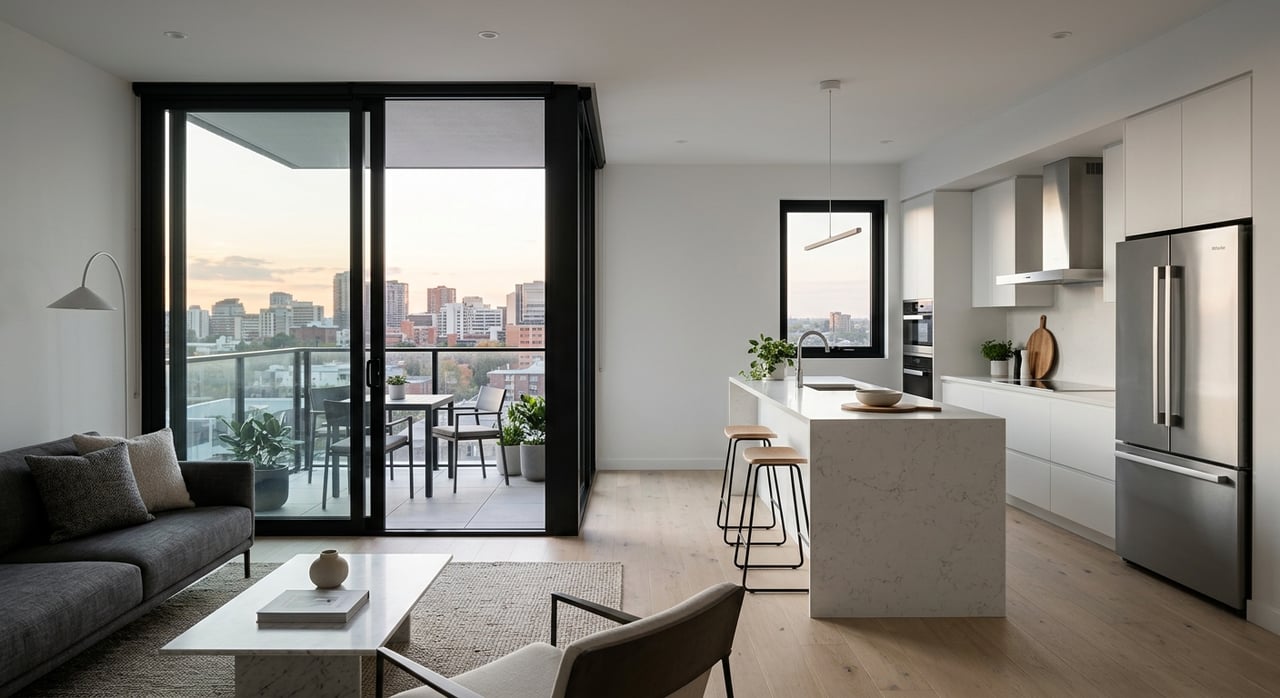
Selling a Mission Bay condo is not just about putting a home on the market. In a waterfront neighborhood where buyers compare listings quickly, the homes that stand out tend to feel bright, polished, and clearly connected to the lifestyle around them. If you are getting ready to sell, a focused prep plan can help you improve first impressions, reduce friction, and launch with more confidence. Let’s dive in.
Why Mission Bay prep matters
Mission Bay offers a setting that many buyers already recognize. The City of San Diego describes Mission Bay Park as the largest aquatic park of its kind in the country, with more than 4,235 acres, 27 miles of shoreline, 19 sandy beaches, eight official swimming areas, and about 14 miles of bike paths. That kind of location shapes what buyers notice first.
The local market also rewards strong presentation. Redfin describes Mission Bay as very competitive, with homes averaging 27.5 days on market and selling about 1.8% under list price. In a market like that, the details that show well online and in person can have an outsized effect.
Sell the Mission Bay lifestyle
A Mission Bay condo should be presented as more than four walls and finishes. Buyers are also responding to access to the bay, beaches, trails, and recreation nearby. A strong listing story connects the unit to the broader waterfront experience without overstating what the property offers.
City amenities in the area include boat docks and launches, sailboat and motor rentals, bike and walking paths, basketball courts, playgrounds, and the dog-friendly Fiesta Island area within Mission Bay. If your condo has features that support that lifestyle, such as a balcony, storage, parking, or easy access to nearby paths, those details deserve attention in the prep process.
Mission Bay is also not a market where walkability should do all the work in your marketing. Redfin rates the area at 69 for Bike Score, 43 for Transit, and 18 for Walk Score. That makes biking access, practical parking, and easy reach to the waterfront more relevant talking points than broad walkability claims.
Focus on what buyers see first
For most sellers, the highest-impact improvements are cosmetic. The goal is to make the condo feel clean, bright, spacious, and easy to move into. That is especially important in a condo market where buyers may compare several similar homes in a short period of time.
The National Association of Realtors reported in 2025 that 29% of agents said staging increased the dollar value offered by 1% to 10%, and 49% of sellers’ agents said staging reduced time on market. The same report found that buyers cared most about the living room, primary bedroom, and kitchen. It also noted the importance of photos, physical staging, videos, and virtual tours.
That gives you a practical order of operations.
Start with visible fixes
Before you consider larger projects, handle the items that affect first impression right away:
- Deep cleaning throughout the home
- Decluttering shelves, counters, and closets
- Neutral paint where colors feel dated or distracting
- Repairing worn flooring, chipped grout, or visible scuffs
- Updating dated light fixtures or cabinet hardware
- Cleaning windows and glass doors thoroughly
- Simplifying balcony furniture and decor
These changes tend to matter because they show up clearly in photos and make the home feel better maintained. In a waterfront setting, clean sightlines and natural light can be just as important as the finishes themselves.
Prioritize the right rooms
If you are deciding where to spend time and money, start with the rooms buyers notice most:
- Living room
- Primary bedroom
- Kitchen
In many Mission Bay condos, the main living area does double duty. It is where buyers judge light, flow, view, and overall feel. If that room looks calm and inviting, the whole home often reads better.
Make the view part of the sale
Inland condos can lean harder on square footage or interior upgrades. Mission Bay condos often need to showcase outlook, light, and connection to the surroundings. The presentation goal is to make the setting feel like part of the living space.
That means paying extra attention to windows, sliding doors, balconies, and anything that interrupts the view. Remove visual clutter, clean exterior glass if accessible, and arrange furniture so that the eye is drawn outward. Even a modest outdoor area can feel more valuable when it is tidy, open, and easy to imagine using.
Photography matters here. Buyers often decide whether to tour a condo based on the first few listing images. If the photos clearly show brightness, openness, and the unit’s relationship to the neighborhood, your home is more likely to make the shortlist.
Highlight condo-specific advantages
A good prep strategy does not stop with the finishes. It should also make the most of the practical features that matter to condo buyers.
Depending on your property, that may include:
- Balcony or terrace space
- Corner windows or strong natural light
- Dedicated parking
- Storage areas
- Building amenities
- Low-maintenance layout
- Easy access to bayfront recreation
These details should be cleaned up, organized, and ready to show. If a storage area comes with the unit, make sure it looks usable. If parking is a plus, have that information ready. Buyers often compare condo listings on convenience as much as style.
Be careful with upgrades and permits
Not every pre-sale improvement is worth doing. In a Mission Bay condo, expensive work behind walls may not help as much as visible cosmetic preparation. That is one reason many sellers focus on presentation first.
If you are considering improvements, check both HOA rules and City of San Diego permit requirements before work begins. The City states that permits are required for new construction, additions, remodeling, and repairs to electrical, mechanical, and plumbing systems. The City also notes that the no-plan Simple Permit path is limited to single-dwelling units, duplexes, and townhouses, while multi-family work requires plans and calculations.
For most condo sellers, the practical takeaway is simple: cosmetic work is usually the safest place to start, while any project involving building systems should be reviewed carefully before moving forward.
Request HOA documents early
One of the biggest avoidable delays in a condo sale is waiting too long to gather HOA paperwork. In California, Civil Code 4525 requires the owner of a separate interest to provide the buyer with a range of association documents and disclosures.
That includes governing documents, current assessments and fees, unpaid assessments or fines, notices of unresolved violations, rental or leasing prohibitions, board minutes if requested, and the most recent inspection report, among other required items. Because of that, it is smart to request the HOA resale package early instead of waiting until you accept an offer.
You should also gather repair histories, HOA notices, special assessment information, and records for completed work. The California Department of Real Estate advises buyers and sellers to pay attention to disclosures about property condition, potential hazards or defects, and any special taxes or assessments that may affect value or desirability.
Documents to assemble before launch
Try to have these items ready before your condo goes live:
- HOA governing documents
- Current assessment and fee statements
- Special assessment notices, if any
- Rental or leasing restrictions
- Board minutes, if available or requested
- Most recent inspection report
- Permit records for completed work
- Repair history and maintenance records
- Standard California disclosure paperwork
Having this material organized early can make your listing feel more complete and reduce stress once buyer interest picks up.
Consider a prep budget that matches the market
A common seller question is how much to spend before listing. In a competitive neighborhood like Mission Bay, the most defensible answer is to invest first in improvements that buyers will actually see in photos and during showings.
That usually means cleaning, paint, decluttering, light repairs, staging, and selective updates rather than large-scale renovations. Mission Bay already has strong lifestyle appeal. Your job is to make sure the condo itself feels polished enough to compete.
Use Concierge to simplify prep
If the condo would benefit from visible updates but you would rather not pay those costs upfront, Compass Concierge can be a useful tool. According to Compass, the program is designed to front the cost of selected home improvement services with zero due until closing, subject to program terms.
Compass says Concierge can cover services such as staging, flooring, painting, deep-cleaning, decluttering, cosmetic renovations, moving and storage, custom closet work, seller-side inspections, and kitchen or bathroom improvements. For a condo sale, that can create flexibility around the exact updates that improve presentation most.
This kind of support can be especially helpful if you are balancing a move, work schedule, or an estate-related sale. A clear prep plan and hands-on coordination can keep the process from becoming overwhelming.
Build momentum before going live
How you launch matters almost as much as how you prepare. Compass offers pre-market options that can help shape demand before a public debut.
According to Compass, a seller can begin as a Private Exclusive to generate early demand and pricing insight, then move to Coming Soon to broaden exposure, and then launch publicly. Compass says this approach is intended to build momentum while avoiding public days on market and price-drop history during the prep phase.
For a Mission Bay condo, that strategy can pair well with professional photography, thoughtful staging, and a listing story centered on waterfront lifestyle and unit-specific advantages. When buyers are comparing similar homes quickly, polished presentation is often what earns the showing.
A practical Mission Bay prep plan
If you want a simple framework, focus on these steps in order:
- Declutter and deep clean the entire condo
- Repair visible wear such as paint scuffs, grout, flooring issues, and dated hardware
- Clean windows, glass doors, and balcony areas to improve light and outlook
- Stage the living room, primary bedroom, and kitchen first
- Gather HOA documents, disclosures, and records early
- Review any planned work against HOA rules and city permit requirements
- Prepare professional marketing materials that show both the condo and the Mission Bay setting
- Choose a launch strategy that builds momentum before the public listing goes live
This approach keeps your spending focused and your timeline organized. More importantly, it helps your condo enter the market looking intentional, not rushed.
When you are preparing a Mission Bay condo for sale, the best results usually come from smart presentation, clear documentation, and a launch plan that fits the property. If you want a calm, hands-on approach to pricing, preparation, vendor coordination, and marketing, William Freeman can help you bring the right strategy together.
FAQs
What should Mission Bay condo sellers fix first before listing?
- Start with clutter, deep cleaning, neutral paint, lighting, worn flooring, grout, and other visible maintenance items that affect photos and first impressions.
What rooms matter most when staging a Mission Bay condo for sale?
- The living room, primary bedroom, and kitchen typically deserve top priority because those are the rooms buyers focus on most.
What HOA documents should be ready for a California condo sale?
- Sellers should gather governing documents, fee and assessment statements, notices of fines or unresolved violations, rental restrictions, board minutes if requested, and the most recent inspection report, along with related disclosures and records.
Do Mission Bay condo sellers need permits for pre-sale work?
- Cosmetic work is often the simplest starting point, but remodeling or repairs involving electrical, mechanical, or plumbing systems should be checked against City of San Diego permit requirements and HOA rules before work begins.
Can Compass Concierge help with Mission Bay condo preparation?
- Yes. Compass says Concierge can front the cost of selected services like staging, painting, flooring, cleaning, decluttering, inspections, and other presentation-focused improvements, with zero due until closing, subject to program terms.