Looking for more space in San Francisco without stretching into ultra‑premium prices? If you love park access, a real neighborhood feel, and an easy rail ride downtown, Inner Sunset belongs on your short list. In this guide, you’ll see how the numbers, lifestyle, and transit stack up so you can judge whether it’s the best value for your goals. Let’s dive in.
Inner Sunset at a glance
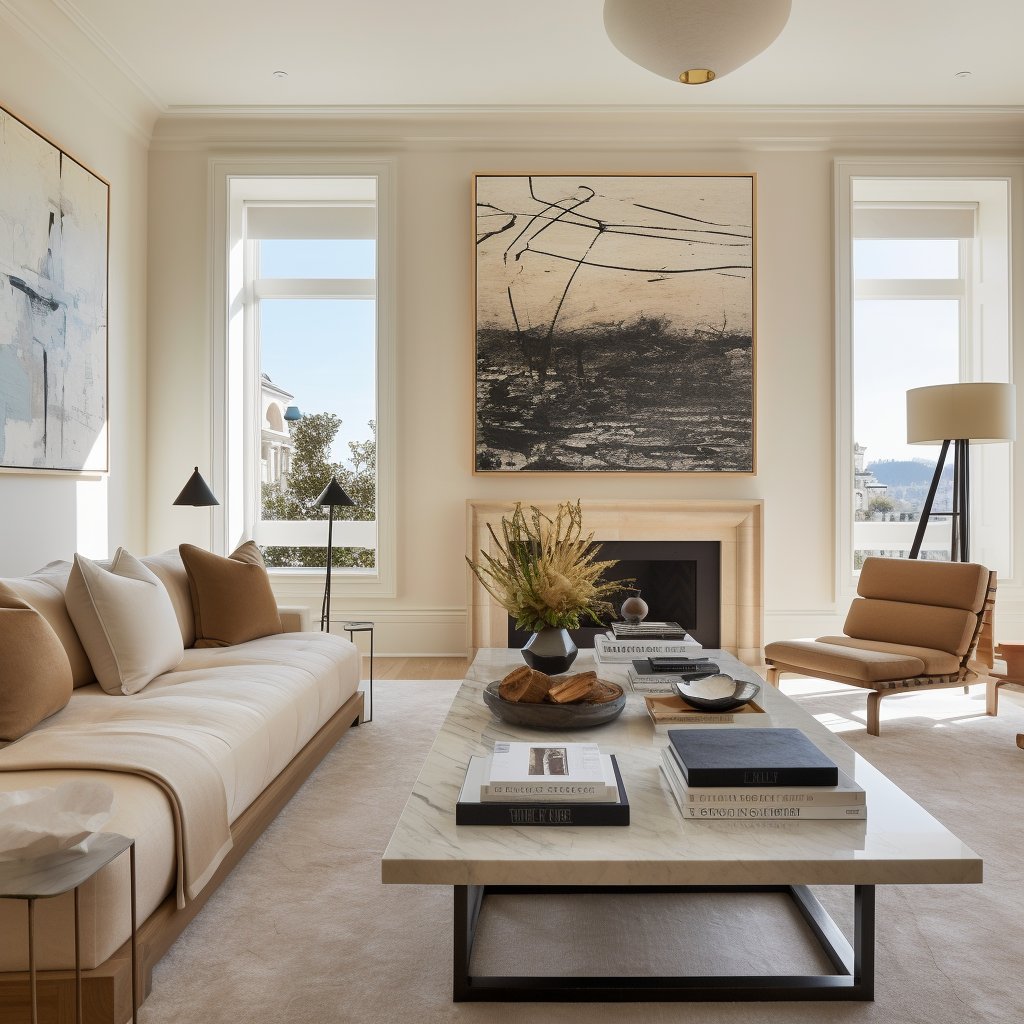
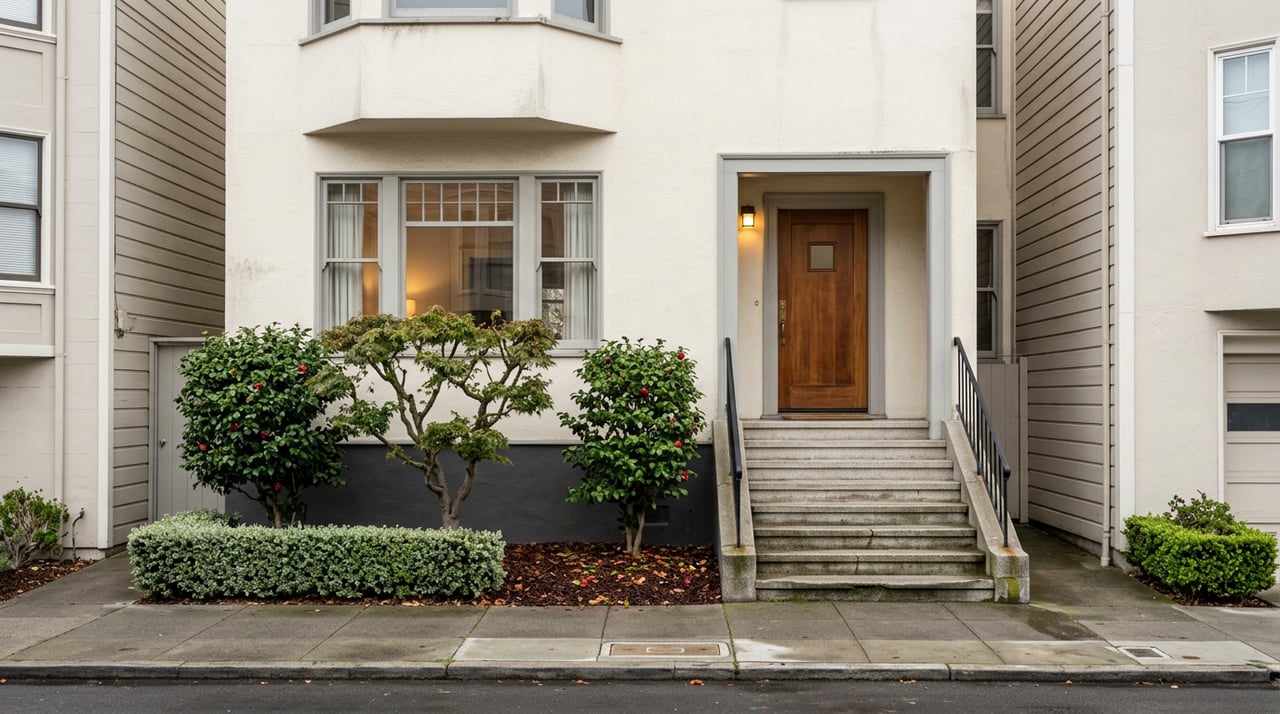
Inner Sunset sits just south of Golden Gate Park, with commonly used boundaries at Lincoln Way, 2nd Avenue, Quintara Street, and 19th Avenue. The commercial heart is the 9th and Irving corridor, a walkable strip of cafés, bakeries, restaurants, and services. The housing mix includes many turn‑of‑the‑century single‑family homes and multi‑unit flats, plus some post‑war dwellings, which often means larger rooms and traditional floorplans compared with central condos. These basics make the neighborhood feel both practical and connected to classic San Francisco character. Source: overview of the Sunset District
Resident surveys highlight everyday convenience and the pull of Golden Gate Park as major reasons people choose to live here. That proximity to recreation and culture, combined with a strong local retail strip, adds value to daily life. Resident survey summary
The value case in simple terms
Recent neighborhood data shows Inner Sunset with a median sale price around 1.75 million dollars and a median price near 917 dollars per square foot. By comparison, Noe Valley sits closer to 2.25 million dollars and about 1,430 dollars per square foot, and Pacific Heights is about 1.97 million dollars and 1,260 dollars per square foot in a recent snapshot. That puts Inner Sunset noticeably lower on a cost‑per‑foot basis than many central, family‑oriented areas.
What that means for you: you often get more functional space per dollar, especially in period homes with larger room sizes. Many buyers find they can secure extra bedrooms or a yard without paying the same premiums seen in a handful of east‑side or north‑side districts. Keep in mind that certain blocks command premiums, especially park‑adjacent streets and recently renovated homes. Multi‑unit properties with established rental income can also trade higher.
The market is active and can be competitive. Homes often receive multiple offers and sell at or above asking. If Inner Sunset fits your priorities, be prepared to move decisively when the right home appears.
Transit and access: strengths and tradeoffs
For downtown commuting, the N‑Judah Muni Metro is a standout. It runs through the neighborhood with stops along Judah and Irving, offering a direct rail ride into the Market Street subway and downtown. Frequency and reliability on this corridor are key reasons transit‑oriented buyers choose Inner Sunset. N‑Judah route details
If you commute to the Peninsula, you can connect to Caltrain via Muni or bus to 4th and King, then ride to hubs like Redwood City. Trip times vary by time of day and whether you catch local or limited service, so it pays to map door‑to‑door timing for your specific schedule. Caltrain schedules
Driving to the Peninsula via I‑280 or US‑101 is straightforward, but traffic swings are real. Street parking on Inner Sunset blocks is often regulated by residential permits, and availability can be tight at peak times. Before you bid, confirm garage or driveway access and review the local permit rules for your block. Context on permit parking in SF
Lifestyle, park access, and microclimate
Golden Gate Park is a major lifestyle asset, with easy access to the de Young Museum, the California Academy of Sciences, the Botanical Garden, and the Japanese Tea Garden. For many buyers, the ability to step into the park for a morning run, a weekend picnic, or a museum visit is a daily quality‑of‑life upgrade. Survey responses repeatedly cite park access as a top reason to choose Inner Sunset. Neighborhood survey
Weather is part of the tradeoff. The Sunset District is among the city’s cooler, foggier areas, especially in summer when the marine layer rolls in. The Inner Sunset is typically less foggy than the Outer Sunset but still cloudier than many eastern neighborhoods. If sunshine is a must, pay close attention to a home’s orientation and natural light. Fog and neighborhood patterns
For dining and daily errands, the 9th and Irving corridor covers a lot of ground, from coffee to casual dining and essentials. A local merchants association supports the district, which helps keep the area vibrant and walkable. Inner Sunset Merchants Association
How to shop smart: your buyer checklist
Use this quick checklist to evaluate whether a specific Inner Sunset listing represents strong value for you:
- Compare price per square foot to recent comps on the same block. Pair that with a room‑by‑room look at usable space and layout. Large rooms and extra bedrooms often matter more than raw square footage.
- Check orientation and daylight. East and south exposures can feel brighter on foggy days. Ask for photos at different times of day and plan an in‑person visit when the light matches your routine. Fog patterns context
- Confirm parking. Verify garage or driveway access, residential permit rules for the block, and your proximity to permit boundaries. RPP context and resident experiences
- Evaluate transit noise. If the property fronts Judah or Irving, check window quality and any past sound‑mitigation work. Visit during active service windows. N‑Judah overview
- Review nearby improvements. The N‑Judah corridor has seen streetscape and transit projects. Check for completed or upcoming work that could affect parking, curb management, or temporary construction. Inner Sunset Streetscape Project
- Consider schools and childcare needs. Verify current school assignment policies directly with SFUSD and research options that align with your plans. Keep your review neutral and focus on logistics, commute, and program fit.
Who is Inner Sunset a fit for?
- You want more space per dollar and classic period layouts without jumping to top‑tier price per foot.
- You value direct access to Golden Gate Park and a full‑service neighborhood retail strip.
- You commute downtown by rail and can accommodate a transfer or a drive for Peninsula trips.
- You are fine with cooler, foggier days in exchange for space, park proximity, and value.
If you need guaranteed sunshine, a short Caltrain walk, or nightlife outside your door, another neighborhood may fit better even if it costs more per square foot.
Bottom line
Inner Sunset often delivers a compelling value story in San Francisco: larger, livable homes, walkable amenities, and direct rail to downtown, all next to a world‑class park. Prices per square foot are typically lower than many central neighborhoods, yet you still get strong daily convenience and a real community feel. The best way to confirm value is to compare $ per foot, layout, light, and location on a block‑by‑block basis while watching for premiums near the park and recent renovations.
Ready to talk through a specific home or plan a block‑level value comparison? Reach out to William Freeman. Let me guide you home.
FAQs
Is Inner Sunset cheaper than Noe Valley on a per‑foot basis?
- Recent neighborhood data shows Inner Sunset around 917 dollars per square foot, compared with about 1,430 dollars in Noe Valley in a recent snapshot, which is the core value argument.
How is the Inner Sunset commute to downtown and the Peninsula?
- The N‑Judah provides direct rail downtown, while Peninsula trips usually require a transfer to Caltrain or a drive, so door‑to‑door times are longer. Route details
What is the Inner Sunset microclimate like?
- Expect cooler, foggier conditions than many east‑side neighborhoods, with the Inner Sunset generally less foggy than the Outer Sunset. Fog patterns
Are there shops and restaurants within walking distance in Inner Sunset?
- Yes. The 9th and Irving corridor offers a dense mix of cafés, eateries, and services supported by the local merchants association. Merchant info
Should I worry about Muni noise near Judah or Irving in Inner Sunset?
- Homes right on the N‑Judah line can experience vibration and noise. Check windows, ask about mitigation, and visit during peak service. N‑Judah overview