Looking for a San Francisco neighborhood that feels connected, practical, and a little more grounded day to day? Inner Sunset often stands out for exactly that reason. If you are thinking about living here, this guide will help you understand what daily routines, housing options, transit, and overall pace of life really look like so you can decide whether Inner Sunset fits the way you want to live. Let’s dive in.
What Inner Sunset Feels Like
Inner Sunset is commonly understood as one of the Sunset District’s micro-neighborhoods, generally stretching from Arguello Boulevard to 19th Avenue and from Lincoln Way to Moraga Street. Its everyday center is the 9th Avenue and Irving Street corridor, which gives the area much of its local rhythm.
In practice, Inner Sunset feels walkable and community-oriented, with a mix of long-term residents, households, and UCSF students. Because it sits just south of Golden Gate Park and includes many closely spaced homes rather than towers, it often feels more residential and less vertically dense than some central San Francisco neighborhoods.
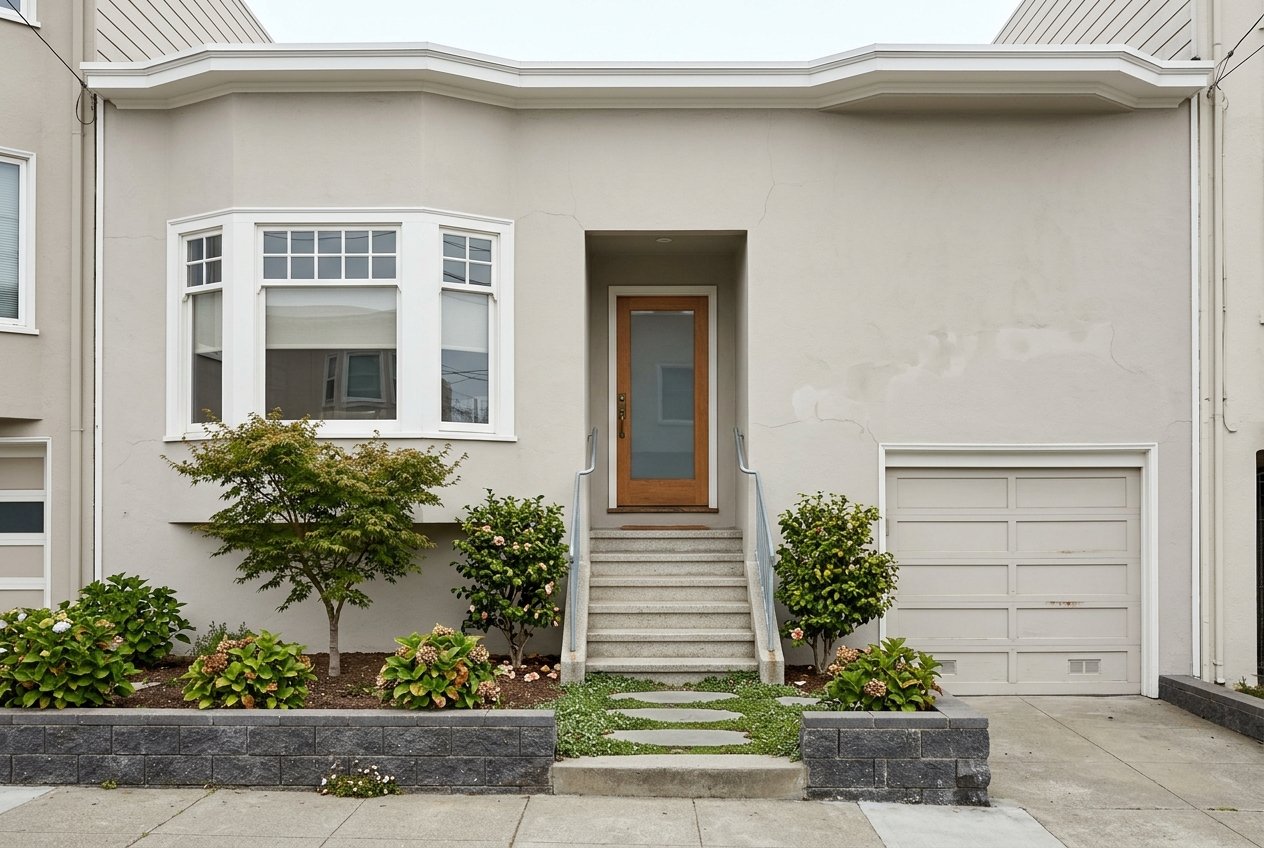
That physical character comes from the west-side building boom of the 1920s through the 1940s. Much of the area developed with single-family homes, and that history still shapes the streetscape today.
Daily Life Around Irving Street
If you want to picture daily life in Inner Sunset, start with Irving Street and 9th Avenue. This is the neighborhood’s commercial core, and it functions as a practical hub for errands, meals, coffee runs, and casual meetups.
San Francisco Planning describes the district as a shopping area that serves local convenience needs while also attracting visitors for comparison shopping and dining. That lines up with the current merchant mix, which includes bakeries, coffee shops, Thai, sushi, Japanese, Vietnamese, crepes, dessert spots, bars, and casual neighborhood restaurants.
Some of the best-known names in the area include Arizmendi Bakery, Beanery Coffee, Tartine Inner Sunset, Fiorella Sunset, Crepevine, and Ebisu. For you as a resident, that means you can build a real routine close to home without needing to leave the neighborhood for every small errand or meal.
The Farmers’ Market Adds Weekly Rhythm
One of the clearest signs of a neighborhood’s day-to-day livability is whether it has routines that repeat week after week. In Inner Sunset, the year-round Inner Sunset Farmers’ Market helps create that rhythm.
The market takes place on Sundays from 9 a.m. to 1 p.m. at 1315 8th Avenue. For many residents, that kind of recurring event makes the neighborhood feel more self-contained and less purely commuter-focused.
If you value places where weekends have a familiar pattern, this matters. A farmers’ market is not just a place to shop. It also creates a sense of local cadence and gives you another reason to spend time close to home.
Golden Gate Park Is a Major Lifestyle Perk
Golden Gate Park is one of Inner Sunset’s biggest everyday advantages. At 1,017 acres, it offers a huge amount of open space right next to the neighborhood, which can shape how you spend your mornings, weekends, and downtime.
The adjacent Gardens of Golden Gate Park include the Conservatory of Flowers, the Japanese Tea Garden, and the San Francisco Botanical Garden. Access is especially convenient from 9th Avenue and Lincoln Way, making the park feel like a real extension of the neighborhood rather than a separate destination.
There is also a free park shuttle with stops near the Music Concourse by the Japanese Tea Garden and de Young Museum. If you enjoy walking, casual outdoor time, or having easy access to major city green space, this is one of Inner Sunset’s strongest draws.
Transit and Getting Around
Transit is another reason Inner Sunset works well for many buyers and renters. SFMTA lists the neighborhood as served by several Muni lines, including the N Judah, L Taraval, 6 Hayes/Parnassus, 7 Haight/Noriega, 28 19th Avenue, and 43 Masonic.
The N Judah is especially important for daily life because it runs 24 hours a day and stops at several neighborhood points, including Judah/9th, Irving/8th, Irving/5th, and Irving/Arguello. That gives you multiple access points depending on where you live within the neighborhood.
For many people, the appeal here is flexibility. You can walk to local businesses, use Muni for crosstown trips, and still enjoy a neighborhood that feels more residential than intensely urban.
Housing Stock in Inner Sunset
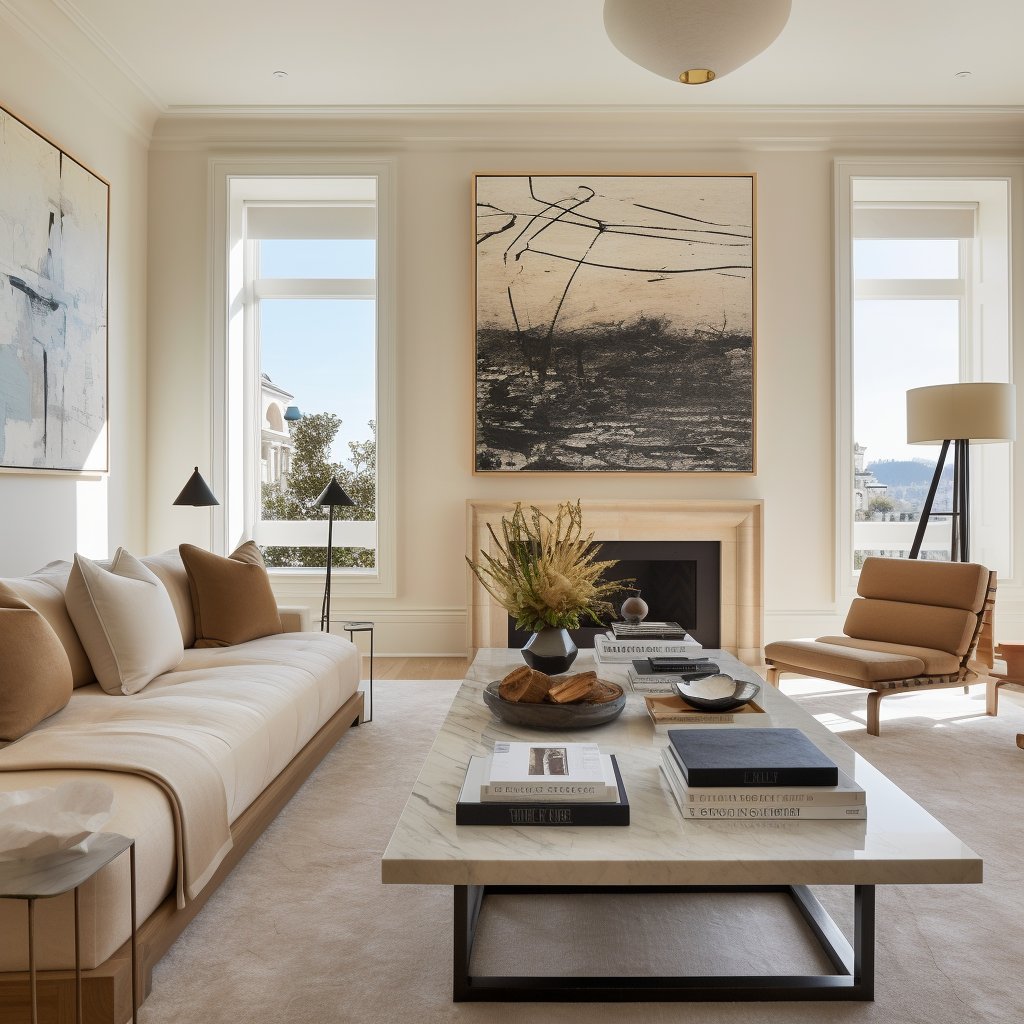
Inner Sunset’s housing stock reflects classic west-side San Francisco patterns. You will find older low-rise homes, flats, condo conversions, and a smaller number of multi-unit buildings.
That mix can be appealing if you want options beyond large modern towers or uniform housing types. The neighborhood’s historic development pattern was built mainly around single-family homes, with later additions of two- to four-unit and larger multifamily buildings.
Recent sale examples show how varied the inventory can be. Reported examples include a one-bedroom condo sold for $680,000, a two-bedroom full-floor condo sold for $1.218 million, a two-bedroom single-family home sold for $1.6 million, and a three-bedroom home sold for $2.025 million.
For buyers, the key takeaway is not just price. It is that Inner Sunset can offer a range of ownership formats, from smaller condos to more house-like homes, within a relatively consistent neighborhood feel.
What Price Expectations Look Like
Inner Sunset is an expensive neighborhood, and pricing can vary depending on the source and the metric being used. One March 2026 estimate placed the median sale price at $2.215 million, while another April 2026 estimate put the average home value at $1,757,789.
Those figures are not identical, but they point in the same direction. Inner Sunset is a high-cost, supply-constrained market where buyers should be prepared for limited inventory and meaningful competition when well-positioned homes come up.
Pending listing data also suggested a relatively thin market, with six pending listings at a median list price of $1.74 million at the time cited in the research. For you, that means preparation matters. Whether you are buying or selling, success usually comes from understanding the specific property type, block, condition, and pricing context rather than relying on one headline number.
Why Buyers Are Drawn to Inner Sunset
Inner Sunset tends to appeal to buyers who want a calmer, more neighborhood-centered version of San Francisco living. The combination of local businesses, strong park access, practical transit, and traditional housing stock gives the area a balanced feel.
You may find it especially attractive if you want to be in San Francisco while still having a daily routine that feels manageable. Coffee, groceries, a Sunday market, Muni access, and one of the city’s most important parks are all part of the equation here.
From an advisory standpoint, this is a neighborhood where the details matter. A condo conversion, a full-floor flat, and a single-family home can all offer very different ownership experiences, even if they sit just a few blocks apart. If you are comparing options in Inner Sunset, clear guidance on property type, resale positioning, and tradeoffs can make your decision much easier.
What Sellers Should Know
If you own a home in Inner Sunset, your property may benefit from the neighborhood’s broad appeal and limited supply. Buyers are often looking not just at square footage, but at how a home connects to the lifestyle they want, including walkability, access to Irving Street, transit convenience, and proximity to Golden Gate Park.
That makes preparation and presentation especially important. In a neighborhood where housing types vary widely, thoughtful pricing, strong marketing, and clear positioning can help buyers understand what makes your property stand out.
For some sellers, especially busy households or families coordinating a larger transition, a structured pre-sale plan can reduce stress. That may include staging, painting, cleaning, flooring, inspections, and vendor coordination so the home is presented clearly from day one.
Inner Sunset at a Glance
| Topic | What to Expect |
|---|---|
| Neighborhood feel | Walkable, community-oriented, and more residential than denser parts of San Francisco |
| Daily essentials | Irving Street and 9th Avenue provide dining, coffee, bakeries, and neighborhood services |
| Outdoor access | Direct proximity to Golden Gate Park and the Gardens of Golden Gate Park |
| Weekly routine | Year-round Sunday farmers’ market at 1315 8th Avenue, 9 a.m. to 1 p.m. |
| Transit | Multiple Muni lines, including 24-hour N Judah service |
| Housing mix | Single-family homes, flats, condo conversions, and some multi-unit buildings |
| Price point | High-cost market with limited inventory and wide variation by property type |
Is Inner Sunset a Good Fit for You?
Inner Sunset may be a strong fit if you want San Francisco access with a more neighborhood-driven pace. It offers a practical mix of local commerce, outdoor space, and transit, with housing stock that includes both classic homes and condo options.
It may be less about flash and more about function, rhythm, and comfort. For many buyers, that is exactly the point.
If you are trying to decide whether Inner Sunset matches your goals, it helps to look beyond broad market numbers and focus on daily life. The right move usually comes down to how you want your routine to feel, what kind of home you need, and how much flexibility you want in your location.
If you are considering a move to or from Inner Sunset, William Freeman can help you evaluate the neighborhood, compare property types, and build a clear plan for your next step.
FAQs
What is daily life like in Inner Sunset, San Francisco?
- Daily life in Inner Sunset centers on the Irving Street and 9th Avenue corridor, where you will find neighborhood-serving restaurants, bakeries, coffee shops, and everyday conveniences, plus a year-round Sunday farmers’ market.
What transit serves Inner Sunset in San Francisco?
- Inner Sunset is served by multiple Muni lines, including the N Judah, L Taraval, 6 Hayes/Parnassus, 7 Haight/Noriega, 28 19th Avenue, and 43 Masonic, with the N Judah running 24 hours daily.
What kinds of homes are in Inner Sunset?
- Inner Sunset includes older low-rise homes, flats, condo conversions, and a smaller number of multi-unit buildings, reflecting the neighborhood’s west-side San Francisco development history.
How expensive is Inner Sunset real estate?
- Inner Sunset is a high-cost market, with cited 2026 figures ranging from an average home value of $1,757,789 to a median sale price of $2.215 million, depending on the source and methodology.
Why do buyers consider Inner Sunset?
- Buyers often look at Inner Sunset for its combination of neighborhood amenities, Golden Gate Park access, transit options, and housing choices that can feel more residential than some denser parts of the city.